





Single-mode-fibercoupled optical transceiver modules
 Aug 13, 2025|
 Single-Mode Fiber-Coupled Optical Transceivers
The cornerstone technology enabling unprecedented data transmission speeds and reliability in high-performance computing and data center infrastructure.

Optical Transceiver Technology
The critical interface between electrical and optical domains in modern communication systems, enabling the high-speed data transmission that powers our digital world.
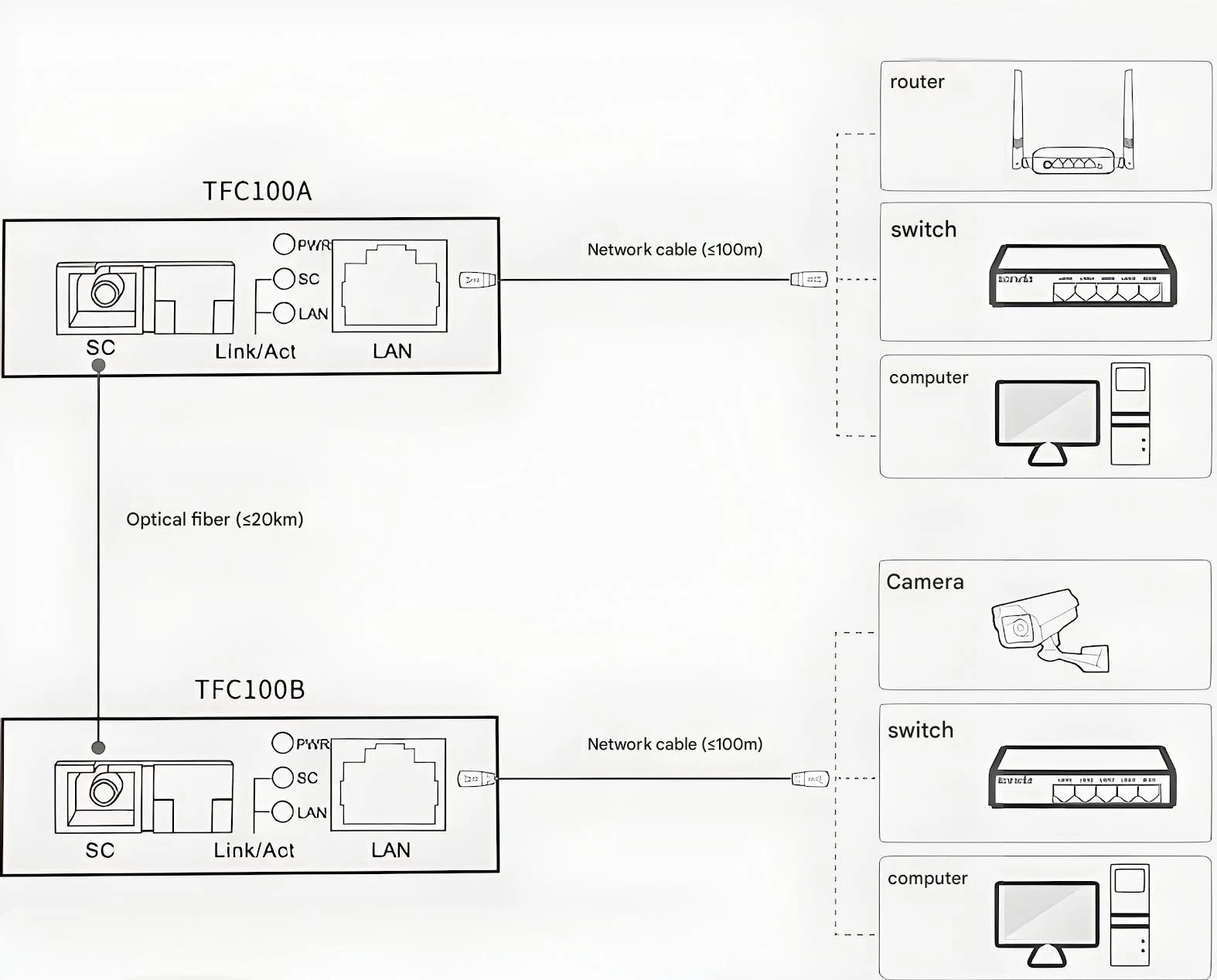
Single-mode fiber-coupled optical transceiver modules serve as the critical interface between electrical and optical domains in modern communication systems. These devices convert electrical signals into optical pulses for transmission through fiber optic cables and perform the reverse conversion at the receiving end.
The single-mode configuration offers superior performance characteristics, including extended transmission distances, higher bandwidth capacity, and reduced signal degradation compared to multimode alternatives.
The fundamental architecture of these transceivers incorporates multiple subsystems working in harmony: laser diodes for optical signal generation, photodetectors for optical-to-electrical conversion, driver circuits for signal amplification, and sophisticated digital signal processing components for error correction and signal optimization. Each element must be precisely engineered and integrated to achieve the stringent performance specifications required in HPC environments.
Core Components and Architecture
A sophisticated integration of advanced optical and electronic components working in perfect harmony to enable high-performance data transmission.
Laser Diode Assembly
The heart of any single-mode fiber-coupled optical transceiver module lies in its laser diode assembly. Modern transceivers typically employ distributed feedback (DFB) lasers or vertical-cavity surface-emitting lasers (VCSELs) optimized for single-mode operation.
These lasers operate at specific wavelengths, commonly 1310nm or 1550nm, chosen for their low attenuation characteristics in silica-based optical fibers.
The laser assembly includes temperature stabilization mechanisms, typically incorporating thermoelectric coolers (TECs) and precision temperature sensors. This thermal management system maintains the laser at optimal operating conditions, ensuring wavelength stability and consistent output power across varying environmental conditions.
Photodetector and Receiver Circuitry
On the receiving side, high-sensitivity photodetectors convert incoming optical signals back into electrical form. Single-mode transceivers typically utilize PIN photodiodes or avalanche photodiodes (APDs), depending on the specific performance requirements.
These devices are optimized for high quantum efficiency at the operating wavelengths, ensuring minimal signal loss during the conversion process.
The receiver circuitry incorporates transimpedance amplifiers (TIAs) that convert the photodiode's current output into voltage signals suitable for further processing. Advanced designs include adaptive gain control and equalization circuits that compensate for signal degradation during transmission.
Digital Signal Processing Integration
Modern single-mode fiber-coupled optical transceiver modules increasingly incorporate sophisticated digital signal processing (DSP) capabilities. These DSP engines perform critical functions including forward error correction (FEC), chromatic dispersion compensation, and polarization mode dispersion mitigation.
The integration of application-specific integrated circuits (ASICs) enables real-time processing of multi-gigabit data streams while maintaining low power consumption. This advanced processing capability is essential for maintaining signal integrity at the highest data rates over extended distances.
Manufacturing Process and Production Technologies
Precision engineering and advanced manufacturing techniques that enable the production of these sophisticated photonic devices.
Semiconductor Fabrication
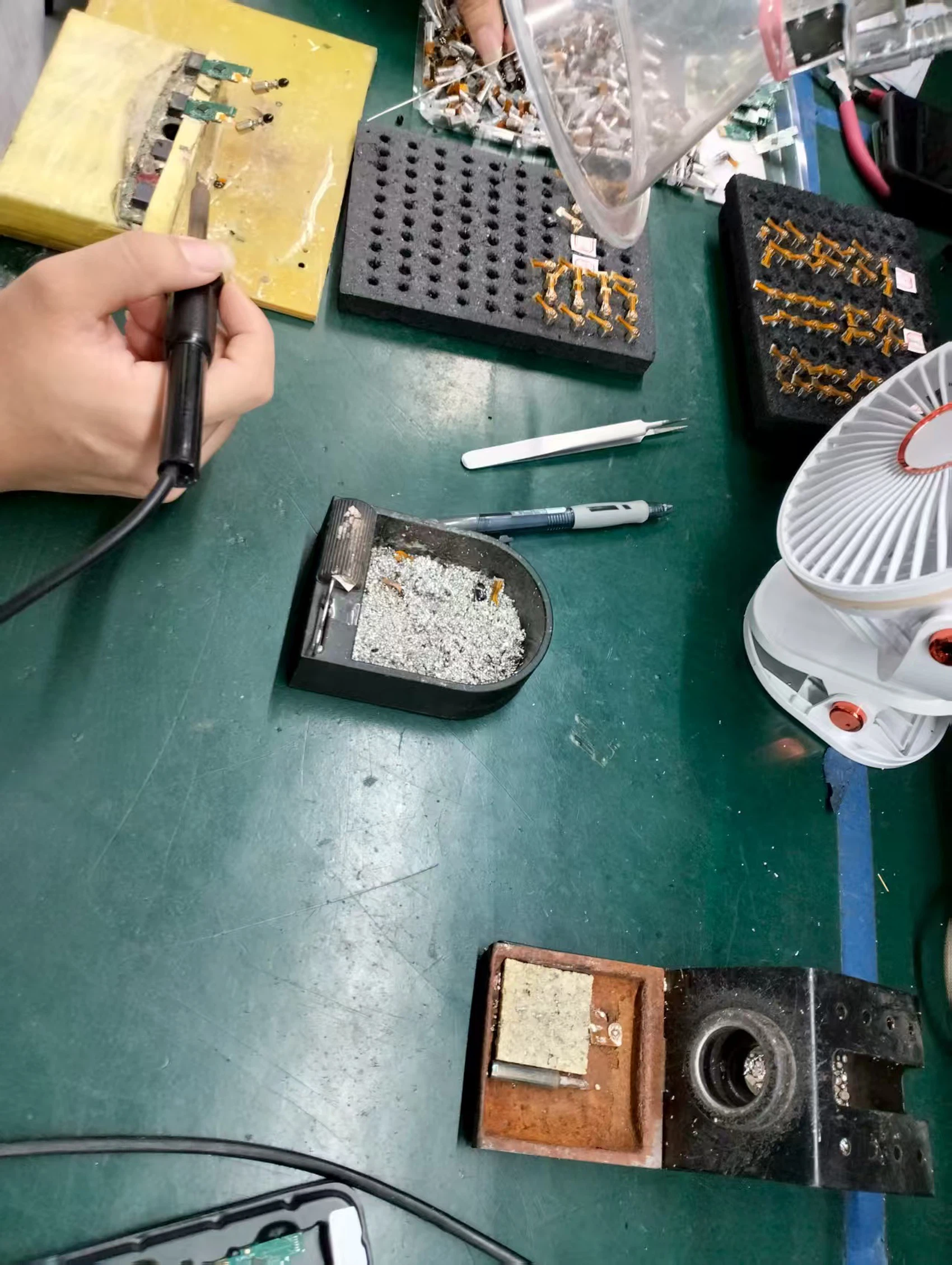
The production begins with semiconductor fabrication processes creating active optical components using metal-organic chemical vapor deposition (MOCVD) and photolithography techniques with nanometer-scale precision.
Optical Alignment and Coupling
Critical manufacturing steps involve precise alignment and coupling of optical components to single-mode fibers, demanding sub-micron accuracy using active alignment techniques and advanced packaging technologies.
Quality Control and Testing
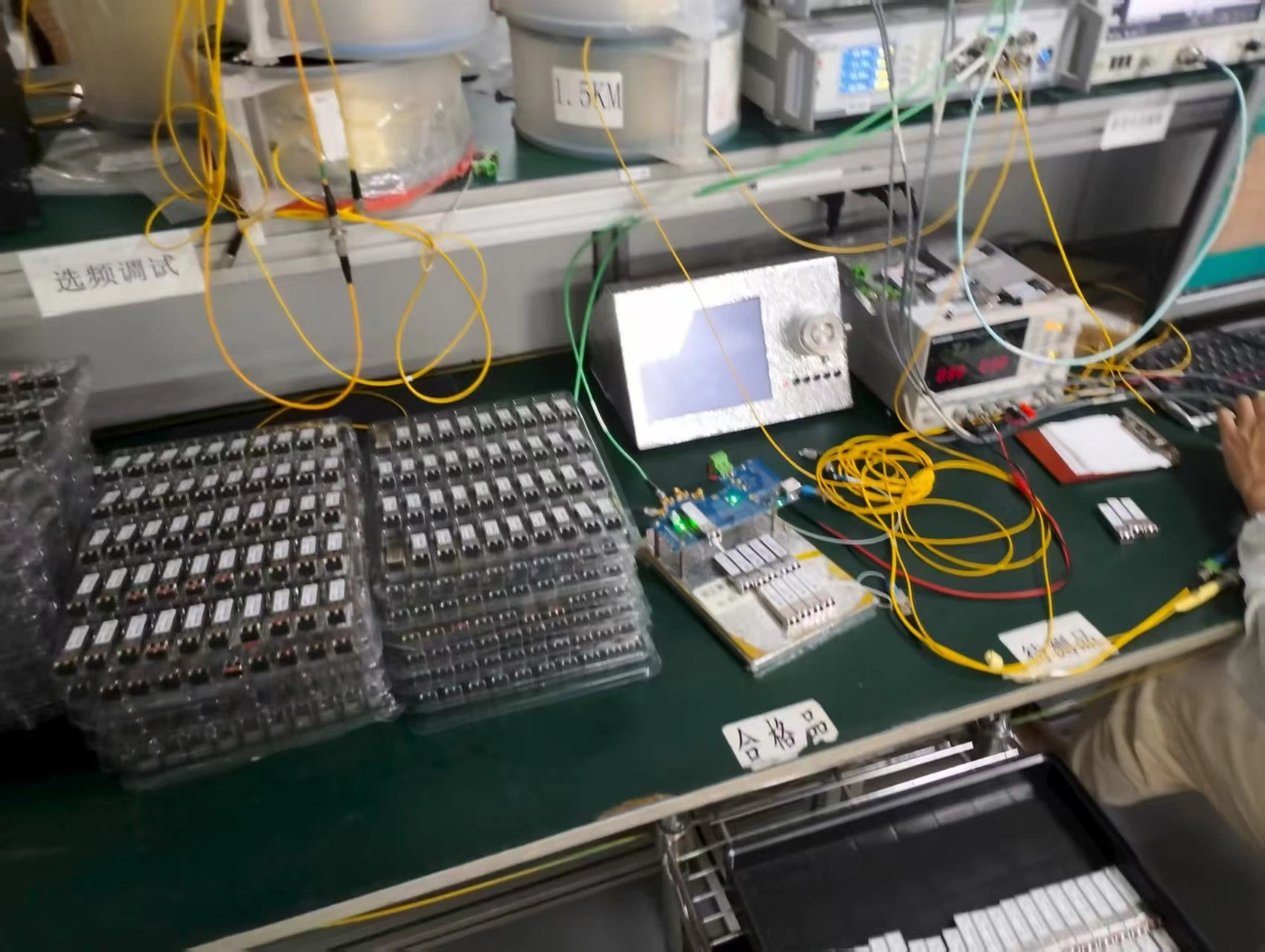
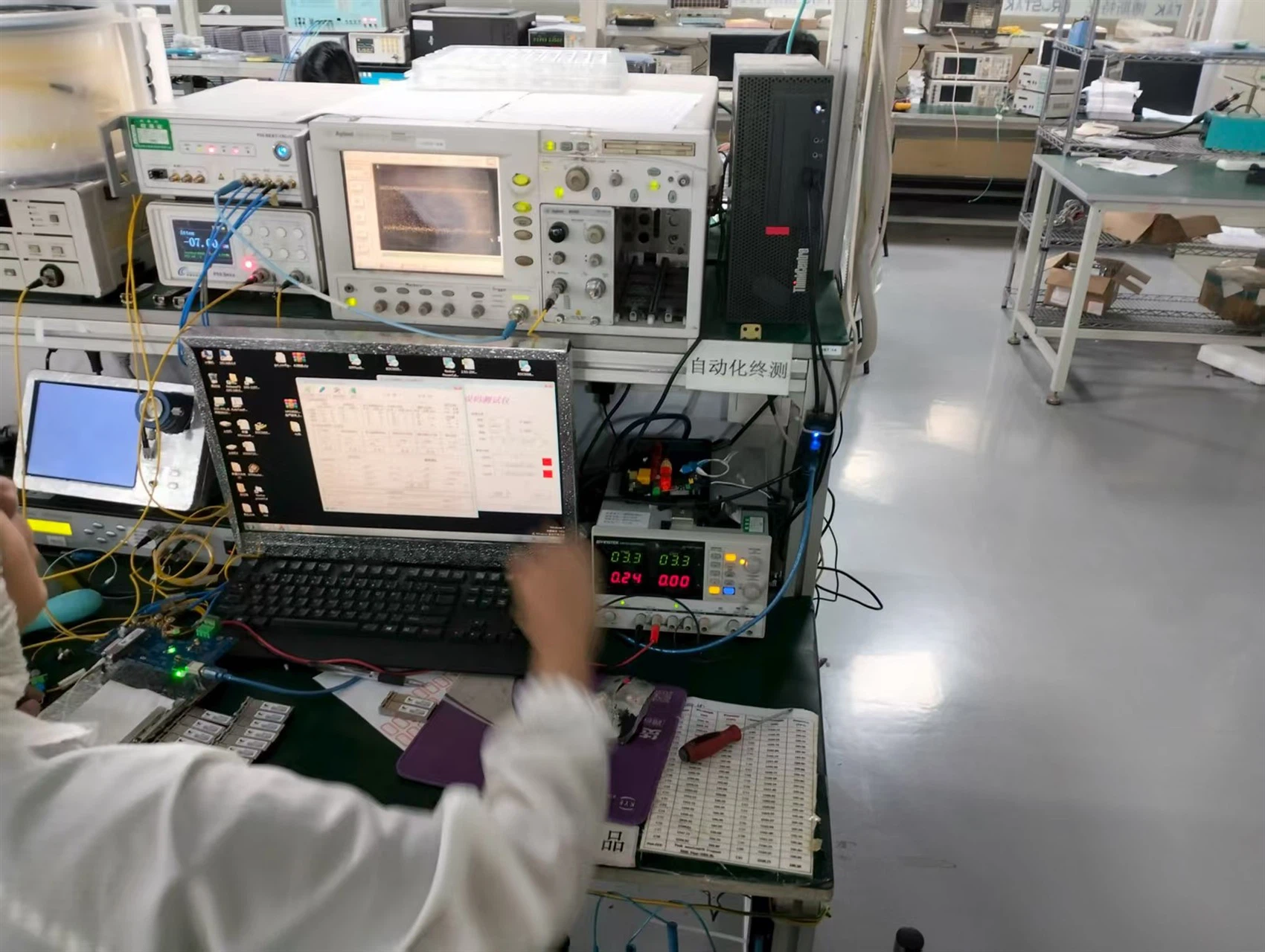
Comprehensive testing protocols ensure each module meets stringent specifications through parametric measurements, environmental stress testing, burn-in procedures, and advanced optical time-domain reflectometry.
Advanced Manufacturing Capabilities
The production of single-mode fiber-coupled optical transceiver modules requires a unique combination of precision engineering disciplines, from semiconductor physics to mechanical engineering. Each manufacturing step must maintain extraordinary precision to ensure reliable performance in demanding environments.
The fabrication process includes the formation of quantum wells, waveguides, and electrical contacts, each requiring specialized processing conditions and materials. Statistical process control methodologies track manufacturing variations and enable continuous process improvement, ensuring consistent quality across production runs.
Advanced Design Considerations
Engineering innovations that ensure optimal performance, reliability, and signal integrity in demanding operating environments.
Thermal Management Systems
Effective thermal management is crucial for maintaining optimal performance in single-mode fiber-coupled optical transceiver modules. The design incorporates multiple thermal paths to dissipate heat generated by laser diodes, driver circuits, and DSP components.
Advanced packaging materials with high thermal conductivity, such as aluminum nitride or synthetic diamond substrates, facilitate heat removal from critical components. Computational fluid dynamics simulations guide the optimization of airflow patterns within transceiver housings.
Adaptive Equalization
Single-mode fiber-coupled optical transceiver modules employ sophisticated equalization techniques to compensate for channel impairments. Adaptive equalizers automatically adjust their characteristics based on received signal quality, optimizing performance for varying fiber lengths and conditions.
Pre-emphasis circuits in the transmitter compensate for known channel characteristics by selectively boosting high-frequency components of the transmitted signal, extending achievable transmission distances.
Signal Integrity and EMC
High-speed electrical signals within transceivers require careful attention to signal integrity considerations. Impedance-controlled transmission lines, differential signaling techniques, and proper termination strategies minimize reflections and crosstalk.
Electromagnetic compatibility (EMC) requirements necessitate comprehensive shielding strategies. Conductive gaskets, ferrite beads, and filtered connectors prevent electromagnetic emissions that could interfere with adjacent equipment.
Forward Error Correction
Advanced forward error correction algorithms significantly improve transmission reliability. Reed-Solomon and low-density parity-check (LDPC) codes enable the detection and correction of transmission errors without requiring retransmission.
The implementation of soft-decision FEC algorithms provides additional coding gain by utilizing confidence information from the receiver. Hardware acceleration techniques enable real-time FEC processing at multi-hundred gigabit speeds.
Industry Standards and Compliance
The framework of standards that ensures interoperability, safety, and performance across the industry.
Form Factor Specifications
The optical transceiver industry has developed standardized form factors to ensure interoperability between equipment from different manufacturers. Single-mode fiber-coupled optical transceiver modules are available in various standardized packages including:
SFP+
10Gbps Small Form-factor Pluggable
QSFP28
100Gbps Quad Small Form-factor Pluggable
QSFP-DD
400Gbps Double Density
OSFP
800Gbps Octal Small Form-factor Pluggable
The evolution toward higher data rates has driven the development of new form factors with improved thermal management capabilities and higher port densities. The latest standards support 400G and 800G operation while maintaining backward compatibility with existing infrastructure where possible.
Regulatory Compliance
Single-mode fiber-coupled optical transceiver modules must comply with numerous regulatory requirements and safety standards to ensure safe operation and environmental responsibility:
Laser Safety
Classification according to IEC 60825 ensuring safe optical emissions
Environmental Compliance
RoHS and REACH regulations restricting hazardous substances
Electromagnetic Compatibility
FCC Part 15 and CISPR 32 defining emission and immunity requirements
Safety Certifications
UL and CE marking validating electrical safety compliance
The complexity of global regulatory requirements necessitates comprehensive compliance management throughout the product development and manufacturing lifecycle, ensuring that transceivers meet the diverse requirements of international markets.
Application-Specific Implementations
How single-mode fiber-coupled transceivers enable critical infrastructure in modern computing environments.

Data Center Interconnects
In hyperscale data centers, single-mode fiber-coupled optical transceiver modules enable high-capacity interconnections between servers, storage systems, and network equipment. The deployment of 100G, 400G, and emerging 800G transceivers supports the exponential growth in data traffic driven by cloud computing, artificial intelligence, and streaming services.
Coherent optical transceivers extend transmission distances to hundreds of kilometers, enabling efficient interconnection between geographically distributed data centers. The integration of wavelength division multiplexing (WDM) capabilities allows multiple data channels to share a single fiber, maximizing infrastructure utilization.

High-Performance Computing Clusters
Research institutions and scientific computing facilities rely on single-mode fiber-coupled optical transceiver modules to create low-latency, high-bandwidth interconnects between computing nodes. These applications demand exceptional reliability and consistent performance to support long-running simulations and data-intensive workloads.
The implementation of remote direct memory access (RDMA) protocols over optical links enables efficient data transfer with minimal CPU overhead. Advanced flow control mechanisms and congestion management algorithms optimize network utilization in complex HPC topologies.
Future Technology Directions
Emerging innovations that will shape the next generation of optical transceiver technology.

Silicon Photonics Integration
The continued advancement of silicon photonics technology promises to revolutionize single-mode fiber-coupled optical transceiver module design. Monolithic integration of optical and electronic components on a single silicon chip reduces packaging complexity, improves reliability, and enables cost-effective volume production.
Co-packaged optics architectures bring optical transceivers closer to processing units, reducing electrical interconnect lengths and power consumption. The development of novel modulator technologies and germanium-on-silicon photodetectors enables full photonic integration while maintaining compatibility with standard CMOS manufacturing processes.
Artificial Intelligence Enhanced Operations
Machine learning algorithms increasingly optimize transceiver performance by analyzing operational parameters and predicting maintenance requirements. Adaptive algorithms adjust modulation formats, error correction parameters, and equalization settings based on real-time channel conditions and traffic patterns.
Predictive failure analysis uses historical performance data to identify degradation trends before they impact system operation. This proactive maintenance approach minimizes downtime and extends equipment lifetime in critical infrastructure deployments, while also optimizing power consumption based on actual usage patterns.

Quality Assurance and Economic Considerations
Ensuring reliability while balancing technological advancement with economic practicality.
Quality Assurance and Reliability Engineering
Accelerated Life Testing
Comprehensive reliability validation employs accelerated life testing methodologies. Highly accelerated stress testing (HAST) and temperature cycling expose devices to extreme conditions that simulate years of field operation in compressed timeframes.
Statistical analysis of failure data enables accurate prediction of field reliability metrics including mean time between failures (MTBF) and failure in time (FIT) rates. Weibull analysis characterizes failure distributions and identifies dominant failure mechanisms throughout the product lifecycle.
Manufacturing Process Control
Statistical process control (SPC) techniques monitor critical manufacturing parameters to ensure consistent product quality. Control charts track process variations and trigger corrective actions when parameters drift outside acceptable limits. Automated optical inspection systems detect assembly defects with high precision, preventing defective products from reaching customers.
Economic Considerations and Market Dynamics
Cost Optimization Strategies
The competitive market drives continuous cost reduction efforts. Design for manufacturing (DFM) principles simplify assembly processes and reduce component counts. Volume production leverages economies of scale to amortize development costs across larger production quantities.
Strategic supplier partnerships ensure stable component availability and competitive pricing. Vertical integration strategies bring critical manufacturing processes in-house, providing better control over quality and cost structures.
Technology Adoption Cycles
The deployment of new transceiver technologies follows predictable adoption cycles influenced by infrastructure investment patterns and application requirements. Early adopters in hyperscale data centers drive initial volumes, followed by broader enterprise adoption as costs decline and standards mature. The transition to higher data rates creates opportunities for technology refresh cycles while maintaining backward compatibility requirements.
Single-mode fiber-coupled optical transceiver modules represent a critical enabling technology for modern high-performance computing and data communication infrastructure. The continuous evolution of these devices, driven by advances in semiconductor technology, photonic integration, and signal processing capabilities, ensures that they will remain at the forefront of technological innovation.
The successful development and deployment of these sophisticated devices requires expertise across multiple engineering disciplines, from semiconductor physics to system-level architecture. Manufacturing excellence, combined with rigorous quality assurance and reliability engineering, ensures that these modules meet the demanding requirements of mission-critical applications.
As data traffic continues to grow exponentially and new applications emerge, single-mode fiber-coupled optical transceiver modules will play an increasingly vital role in enabling the connected world of tomorrow. The ongoing investment in research and development, coupled with advances in manufacturing technology, promises continued improvements in performance, reliability, and cost-effectiveness.
The future of optical communications lies in the continued refinement and innovation of these remarkable devices, pushing the boundaries of what is possible in data transmission and enabling new applications that we can only imagine today. Through the dedication of engineers, scientists, and manufacturers worldwide, single-mode fiber-coupled optical transceiver modules will continue to evolve, meeting the ever-growing demands of our interconnected digital society.