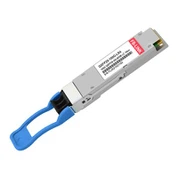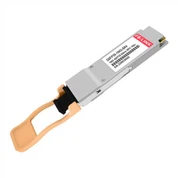
100G QSFP28 20km
This product is a 100Gb/s transceiver module designed for optical communication applications compliant to 100GBASE-LR4 of the IEEE P802.3ba standard.

- Product Introduction
Mechanical Dimension

Description
|
Compatible |
100GBASE QSFP28 |
Vendor Name |
FB-LINK |
|
Form Factor |
QSFP28 |
Max Data Rate |
103.125Gbps |
|
Wavelength |
1310nm |
Max Cable Distance |
20km |
|
Connector |
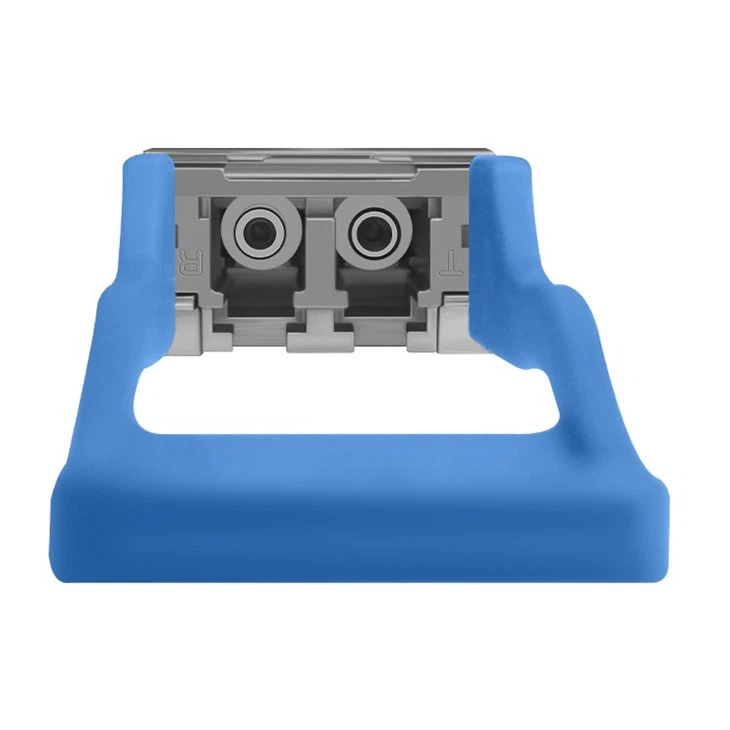
Duplex LC |
Media |
SMF |
|
Transmitter Type |
4xLAN WDM DML(DFB) |
Receiver Type |
PIN |
|
TX Power |
-4.3~4.5dBm |
Receiver Sensitivity |
<-10.6dBm |
|
Powerbudget |
6.3dB |
Receiver Overload |
4.5dBm |
|
Power Consumption |
≤3.5W |
Extinction Ratio |
>4dB |
|
DDM/DOM |
Supported |
Commercial Temperature Range |
0 to 70°C (32 to 158°F) |
|
Protocols |
IEEE 802.3ba 100GBASE-LR4, IEEE 802.3bm, QSFP28 MSA, SFF-8665, SFF-8636 |
Warranty |
3 Years |
DDM

Real machine testing

Package

The explosive growth of data centers, cloud computing, and streaming services has created an unprecedented demand for faster, more reliable network infrastructure. Optical transceivers have emerged as the backbone technology enabling this digital transformation, delivering the bandwidth and performance modern enterprises require.
Understanding the Role of Optical Transceivers in Modern Networks
Optical transceivers are sophisticated devices that convert electrical signals into optical signals for transmission over fiber optic cables, then convert them back at the receiving end. These compact modules have revolutionized data center connectivity, making it possible to transmit massive amounts of information across vast distances with minimal signal degradation.
The evolution toward 100-gigabit technology represents a significant milestone in network infrastructure. As organizations grapple with ever-increasing data volumes, upgrading to 100G optical transceivers has become essential rather than optional.
Why 100GBASE Technology Matters
The QSFP28 form factor has become the industry standard for 100G applications, offering a perfect balance between port density, power efficiency, and performance. These optical transceivers utilize advanced wavelength division multiplexing (WDM) technology, specifically four-lane WDM, to achieve remarkable data transmission rates while maintaining compatibility with existing fiber infrastructure.
For medium-range applications spanning up to 20 kilometers, single-mode fiber optical transceivers provide the ideal solution. This distance capability makes them perfect for metro area networks, campus interconnects, and data center-to-data center connections.
Key Advantages of Next-Generation Optical Transceivers
Power Efficiency: Modern optical transceivers consume significantly less power than previous generations, with typical consumption under 3.5 watts. This efficiency translates directly to reduced operational costs and improved thermal management in high-density switching environments.
Enhanced Monitoring: Digital diagnostics monitoring (DDM) capabilities in contemporary optical transceivers enable real-time performance tracking. Network administrators can monitor critical parameters including temperature, voltage, transmit power, and receive power, facilitating proactive maintenance and troubleshooting.
Extended Temperature Tolerance: Commercial-grade optical transceivers operate reliably across wide temperature ranges, from 0°C to 70°C. This resilience ensures consistent performance in diverse deployment scenarios, from climate-controlled data centers to less-regulated telecommunications facilities.
Superior Signal Quality: With extinction ratios exceeding 4dB and carefully optimized power budgets, premium optical transceivers deliver clean, error-free transmission even in challenging environments. The generous power budget of over 6dB provides substantial margin for fiber degradation, connector losses, and future network expansion.
Applications Driving Optical Transceiver Adoption
Data Center Interconnection: As organizations distribute workloads across multiple facilities, optical transceivers enable seamless connectivity between geographically separated data centers. The 20-kilometer reach supports most metropolitan area deployments without requiring expensive repeaters or amplifiers.
High-Performance Computing: Research institutions and enterprises running compute-intensive applications depend on optical transceivers to maintain low-latency, high-bandwidth connections between storage systems, compute nodes, and visualization platforms.
5G Network Backhaul: Telecommunications providers leverage optical transceivers to connect cell sites to core networks, supporting the massive bandwidth requirements of fifth-generation wireless technology.
Cloud Service Delivery: Major cloud providers deploy thousands of optical transceivers to build the high-capacity networks that underpin Infrastructure-as-a-Service (IaaS) and Platform-as-a-Service (PaaS) offerings.
Technical Considerations for Deployment
When implementing optical transceivers in your network, several factors deserve careful attention:
Compatibility: Ensure complete protocol compliance with IEEE 802.3ba standards and Multi-Source Agreement (MSA) specifications. This compatibility guarantees interoperability with switches and routers from multiple vendors.
Fiber Infrastructure: Single-mode fiber provides the optimal medium for reaching the full 20-kilometer distance capability of these optical transceivers. Verify that your fiber plant meets cleanliness standards and that connectors are properly terminated.
Link Budget Planning: Calculate total fiber attenuation, connector losses, and splice losses to confirm your link budget remains within specifications. Quality optical transceivers provide adequate margin to accommodate network growth and aging fiber.
Thermal Management: While modern optical transceivers are highly efficient, proper airflow in switches and patch panels ensures optimal performance and longevity. Follow equipment manufacturer guidelines for ventilation and temperature monitoring.
Frequently Asked Questions About Optical Transceivers
Q: What's the difference between QSFP28 and QSFP+ optical transceivers?
A: QSFP28 optical transceivers support data rates up to 100Gbps, while QSFP+ modules are designed for 40Gbps applications. QSFP28 modules use the same physical form factor but incorporate more advanced optics and electronics to achieve higher speeds. They're backward compatible with QSFP+ ports when using appropriate breakout cables.
Q: Can I use 100G optical transceivers with multimode fiber?
A: While some 100G optical transceivers are designed for multimode fiber (typically SR4 variants for short distances up to 100 meters), the LR4 modules optimized for longer distances require single-mode fiber. Using the wrong fiber type will result in unacceptable signal loss and potential link failure.
Q: How do I interpret DDM/DOM diagnostic information?
A: Digital diagnostics monitoring in optical transceivers provides real-time data on five key parameters: temperature, voltage, laser bias current, transmit optical power, and receive optical power. Each parameter has defined thresholds; values outside these ranges indicate potential problems. Most network management systems can poll this information via I2C interface and generate alerts when anomalies occur.
Q: What causes optical transceivers to fail?
A: Common failure modes for optical transceivers include contaminated fiber connectors (the leading cause), excessive temperature exposure, voltage spikes, fiber bending beyond minimum radius specifications, and end-of-life laser degradation. Regular cleaning, proper handling, and environmental monitoring significantly extend transceiver lifespan.
Q: Are third-party optical transceivers as reliable as OEM modules?
A: Quality third-party optical transceivers from reputable manufacturers undergo rigorous testing and meet the same industry standards as OEM modules. Look for products with comprehensive warranties (typically three years or longer), full MSA compliance, and transparent testing documentation. The cost savings can be substantial without sacrificing performance or reliability.
Q: How do I troubleshoot a link that won't establish?
A: Start by verifying that both optical transceivers are properly seated and detected by the host equipment. Check that you're using the correct fiber type (single-mode vs. multimode). Inspect and clean all fiber connectors-contamination is the most common issue. Verify transmit and receive fibers aren't reversed. Use DDM data to check if both transceivers are transmitting within normal power ranges and if received power meets minimum sensitivity requirements.
Q: What's the expected lifespan of optical transceivers?
A: Quality optical transceivers typically provide 10-15 years of reliable operation under normal conditions. The laser diodes gradually degrade over time, but this process is slow and predictable. DDM monitoring allows you to track laser bias current increases that indicate aging. Operating the modules within specified temperature ranges and avoiding power cycling extends their operational life.
Making the Right Investment
Selecting appropriate optical transceivers for your network infrastructure requires balancing immediate needs with future scalability. The transition to 100G technology positions your organization to handle growing bandwidth demands while maintaining investment protection through standards-based compatibility.
Quality optical transceivers deliver consistent performance, comprehensive diagnostic capabilities, and long-term reliability-critical factors that impact your total cost of ownership. The initial purchase price represents only a fraction of lifetime deployment costs; energy consumption, maintenance requirements, and downtime risks carry far greater financial implications.
As network demands continue their relentless growth, optical transceivers will remain central to high-performance connectivity solutions. Whether you're building a new data center, upgrading existing infrastructure, or expanding into new locations, choosing proven 100G technology ensures your network can handle whatever challenges tomorrow brings.
Hot Tags: 100g qsfp28 20km, China 100g qsfp28 20km suppliers, manufacturers, factory
You Might Also Like