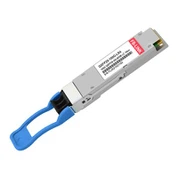
100G ZR4 80km
100GBASE ZR4 is currently one of the most advanced fiber optic data transmission technologies. This technology can support high-speed data transmission and meet the needs of enterprises for large-scale data transmission and remote complex applications.

- Product Introduction
Description
|
Compatible |
100GBASE ZR4 |
Vendor Name |
FB-LINK |
|
Form Factor |
QSFP28 |
Max Data Rate |
103.125Gbps |
|
Wavelength |
1310nm |
Max Cable Distance |
80km |
|
Connector |
Duplex LC |
Media |
SMF |
|
Transmitter Type |
EML |
Receiver Type |
APD |
|
TX Power |
2~6.5dBm |
Receiver Sensitivity |
<-28dBm |
|
Powerbudget |
31dB |
Receiver Overload |
2dBm |
|
Power Consumption |
≤6W |
Extinction Ratio |
>6dB |
|
DDM/DOM |
Supported |
Commercial Temperature Range |
0 to 70°C (32 to 158°F) |
|
CDR (Clock and Data Recovery) |
TX & RX Built-in CDR |
Modulation Format |
NRZ |
|
Protocols |
QSFP28 MSA Compliant |
Warranty |
3 Years |
Transceiver Block Diagrams

Mechanical Specifications

Application

Crafts

Product Certification

The explosive growth of data centers, cloud computing, and enterprise networks has created an unprecedented demand for high-performance connectivity solutions. Optical transceivers have emerged as the critical components that enable seamless data transmission across vast distances, transforming how organizations build and scale their network infrastructure.
What Makes Optical Transceivers Essential for Modern Networks
Optical transceivers serve as the bridge between electrical signals and optical signals, converting data from servers, switches, and routers into light pulses that travel through fiber optic cables. This conversion enables network equipment to communicate efficiently over distances ranging from a few meters to hundreds of kilometers, depending on the transceiver type and application requirements.
For organizations deploying 100-gigabit networks, selecting the right optical transceivers becomes paramount. These modules must deliver exceptional performance while maintaining reliability, power efficiency, and compatibility with existing infrastructure. The QSFP28 form factor has become the industry standard for 100G applications, offering a compact design that maximizes port density in data center environments.
Long-Reach Connectivity: Extending Your Network's Boundaries
When network architects face the challenge of connecting facilities separated by significant distances, long-reach optical transceivers provide the solution. Modules capable of transmitting data over 80 kilometers using single-mode fiber eliminate the need for signal regeneration equipment, reducing both infrastructure costs and potential points of failure.
These extended-reach solutions utilize sophisticated technology including Electro-absorption Modulated Lasers (EML) for transmission and Avalanche Photodiodes (APD) for reception. This combination delivers the optical power and receiver sensitivity necessary to maintain signal integrity over metropolitan area networks and campus environments. With a power budget exceeding 30dB, these optical transceivers provide substantial margin for link loss, ensuring reliable operation even in challenging installation scenarios.
Key Performance Characteristics That Define Quality
Superior optical transceivers distinguish themselves through several critical performance metrics. Power consumption remains a vital consideration, particularly in large-scale deployments where every watt translates to operational expenses. Modern 100G modules achieve data rates exceeding 103 Gbps while consuming six watts or less, demonstrating remarkable efficiency.
Built-in Clock and Data Recovery (CDR) on both transmit and receive paths ensures signal integrity by minimizing jitter and timing errors. This feature becomes increasingly important as data rates climb and signal margins tighten. Digital Diagnostic Monitoring (DDM) capabilities allow network administrators to proactively monitor transceiver health, tracking parameters like temperature, voltage, and optical power in real-time.
The extinction ratio, representing the difference between optical power in the "on" and "off" states, directly impacts signal quality. Optical transceivers maintaining ratios above 6dB ensure clear distinction between binary states, reducing bit error rates and improving overall link reliability.
Application Scenarios for High-Performance Optical Transceivers
Data center interconnects represent a primary use case where long-reach optical transceivers excel. Organizations operating multiple facilities can establish high-bandwidth connections without leasing expensive dark fiber or dealing with intermediate equipment. This direct connectivity approach simplifies network architecture while reducing latency and improving security.
Enterprise campus networks benefit significantly from 80-kilometer capable optical transceivers, enabling centralized data center resources to serve distributed buildings and departments. Educational institutions, corporate campuses, and government facilities leverage this technology to create cohesive network fabrics that feel local despite physical separation.
Metropolitan area networks deployed by service providers increasingly rely on these optical transceivers to deliver high-capacity wavelength services. The ability to operate at 1310nm wavelength allows for cost-effective single-mode fiber deployments while maintaining compatibility with existing infrastructure investments.
Installation and Operational Considerations
Successful deployment of optical transceivers requires attention to environmental factors and infrastructure preparation. Operating temperature ranges from 0 to 70 degrees Celsius accommodate most commercial installation environments, though proper ventilation and airflow management remain essential for sustained performance.
The duplex LC connector interface provides reliable physical connections while supporting efficient cable management practices. Regular inspection and cleaning of optical connectors prevent contamination that could degrade signal quality or cause intermittent connectivity issues.
Network administrators should leverage the DDM capabilities built into modern optical transceivers to establish baseline performance metrics and configure alerting thresholds. This proactive approach identifies potential problems before they impact production traffic, enabling maintenance during scheduled windows rather than emergency outages.
Quality Assurance and Compatibility
Compliance with industry standards ensures optical transceivers integrate seamlessly with multi-vendor network environments. QSFP28 MSA (Multi-Source Agreement) compliance guarantees mechanical and electrical compatibility with host equipment from major networking vendors, eliminating vendor lock-in concerns.
Comprehensive warranty coverage reflects manufacturer confidence in their optical transceivers' reliability and longevity. Three-year warranties provide organizations with protection against premature failures while supporting total cost of ownership calculations that extend beyond initial purchase price.
Frequently Asked Questions About Optical Transceivers
Q: What's the difference between optical transceivers for short-reach versus long-reach applications?
A: Short-reach optical transceivers typically operate over multi-mode fiber for distances up to 500 meters using lower-cost VCSEL technology. Long-reach modules utilize single-mode fiber with more sophisticated laser types like EML, enabling transmission over tens of kilometers. Long-reach solutions require higher optical power output and more sensitive receivers to overcome the greater signal attenuation inherent in extended distance links.
Q: How do I know if optical transceivers are compatible with my existing network equipment?
A: Verify that the optical transceivers comply with relevant Multi-Source Agreements (MSA) for your required form factor-QSFP28 for 100G applications, for example. Check that the wavelength, data rate, and reach specifications match your infrastructure requirements. Most enterprise-grade switches support MSA-compliant modules from multiple vendors, though consulting your equipment manufacturer's compatibility matrix provides additional assurance.
Q: Why is power consumption important when selecting optical transceivers?
A: Power consumption directly impacts operational costs and thermal management requirements. In large deployments with hundreds or thousands of ports, optical transceivers consuming even one extra watt each can add thousands of dollars to annual electricity bills and cooling requirements. Lower power consumption also reduces heat generation within network equipment, potentially extending device lifespan and improving overall system reliability.
Q: What is Digital Diagnostic Monitoring and why should I care?
A: DDM allows optical transceivers to report real-time operational parameters including temperature, voltage, transmit power, receive power, and bias current. This visibility enables proactive network management, helping administrators identify failing modules before complete failure, detect dirty connectors through abnormal power readings, and verify proper installation. DDM transforms opaque optical links into monitored, manageable network components.
Q: Can I mix different vendors' optical transceivers in the same network?
A: Yes, provided all optical transceivers comply with the same industry standards and specifications. MSA compliance ensures electrical and mechanical compatibility with host equipment, while matching wavelength and reach specifications ensures optical compatibility between transceivers on opposite ends of fiber links. Many organizations successfully deploy multi-vendor strategies to optimize costs and ensure supply chain redundancy.
Q: How often should optical transceivers be replaced or upgraded?
A: Optical transceivers don't require replacement on fixed schedules if functioning properly. DDM monitoring helps identify modules exhibiting performance degradation, which may indicate cleaning needs rather than replacement. Upgrades typically occur when increasing bandwidth requirements (moving from 40G to 100G, for example) or when deploying new network architecture. Quality modules often outlast the host equipment they're installed in, making them transferable assets during infrastructure refreshes.
Q: What causes optical transceiver failures and how can they be prevented?
A: Common failure modes include contaminated optical connectors, physical damage to fiber connections, environmental stress from inadequate cooling, and electrostatic discharge during installation. Prevent failures by implementing proper connector cleaning procedures, using protective caps when modules or cables aren't connected, maintaining adequate airflow and temperature control, and following ESD-safe handling practices. Regular DDM monitoring catches developing issues before they become critical failures.
Conclusion: Investing in Network Infrastructure Excellence
Selecting appropriate optical transceivers represents a strategic decision that impacts network performance, reliability, and scalability for years to come. High-quality modules delivering 100-gigabit throughput over extended distances empower organizations to build robust network architectures that meet today's demands while accommodating tomorrow's growth.
The combination of advanced transceiver technology, industry-standard compliance, and comprehensive management capabilities creates a foundation for dependable high-speed connectivity. Whether connecting data centers across metropolitan areas, linking campus buildings, or building service provider networks, the right optical transceivers transform physical distance from an obstacle into an inconsequential detail in your network design.
Hot Tags: Optical Transceivers