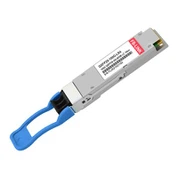
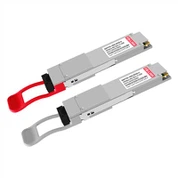
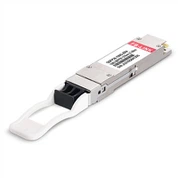
100G QSFP28 80km
The 100GBASE QSFP28 ZR4 Optical Transceiver Module is designed for use in 100GBASE Ethernet throughput up to 80km over single mode fiber (SMF) using a wavelength of 1310nm via duplex LC connectors.

- Product Introduction
Description
|
Compatible |
100GBASE QSFP28 ZR4 |
Vendor Name |
FB-LINK |
|
Form Factor |
QSFP28 |
Max Data Rate |
103.125Gbps |
|
Wavelength |
1310nm |
Max Cable Distance |
80km |
|
Connector |
Duplex LC |
Media |
SMF |
|
Transmitter Type |
EML |
Receiver Type |
APD |
|
TX Power |
2~6.5dBm |
Receiver Sensitivity |
<-28dBm |
|
Powerbudget |
31dB |
Receiver Overload |
2dBm |
|
Power Consumption |
≤6W |
Extinction Ratio |
>6dB |
|
DDM/DOM |
Supported |
Commercial Temperature Range |
0 to 70°C (32 to 158°F) |
|
CDR (Clock and Data Recovery) |
TX & RX Built-in CDR |
Modulation Format |
NRZ |
|
Protocols |
QSFP28 MSA Compliant |
Warranty |
3 Years |
Product production workshop

workshop

workshop

workshop

workshop
High-speed data transmission has become the cornerstone of enterprise networking, and optical transceivers serve as the critical bridge between networking equipment and fiber optic infrastructure. These sophisticated devices convert electrical signals into optical signals and vice versa, enabling seamless communication across vast distances at unprecedented speeds.
What Makes Optical Transceivers Essential?
Optical transceivers have revolutionized how data centers and telecommunications networks operate. Unlike traditional copper-based solutions, these modules leverage light to transmit data through fiber optic cables, offering superior bandwidth, longer reach, and immunity to electromagnetic interference. For organizations managing massive data flows, investing in quality optical transceivers isn't optional-it's fundamental to network performance.
Key Technologies Behind Modern Optical Transceivers
The evolution of optical transceivers has brought several breakthrough technologies to the forefront. Advanced modulation techniques allow these devices to push more data through existing fiber infrastructure, while sophisticated error correction algorithms ensure signal integrity over extended distances. Clock and Data Recovery (CDR) technology, now built into both transmit and receive paths, automatically compensates for signal degradation, maintaining clean data transmission even in challenging conditions.
Temperature management represents another critical aspect of optical transceiver design. Commercial-grade modules operating across wide temperature ranges ensure reliable performance whether deployed in climate-controlled facilities or edge computing environments with variable conditions.
Selecting the Right Optical Transceivers for Your Network
Choosing appropriate optical transceivers requires careful consideration of multiple factors. Distance requirements fundamentally shape your selection-some applications need short-reach connections within a single building, while others demand long-haul transmission spanning dozens of kilometers. Bandwidth needs must align with current traffic patterns while accommodating future growth.
Compatibility stands as perhaps the most crucial consideration. Multi-Source Agreement (MSA) compliance ensures optical transceivers work seamlessly across different vendors' equipment, protecting your investment and providing deployment flexibility. Power consumption also matters, particularly in large-scale deployments where every watt translates to operational costs and cooling requirements.
The Role of Digital Diagnostics in Network Management
Modern optical transceivers equipped with Digital Diagnostic Monitoring (DDM) capabilities transform network management from reactive to proactive. These intelligent modules continuously monitor critical parameters including temperature, voltage, bias current, transmit power, and receive power. Network administrators can identify potential issues before they impact performance, schedule maintenance during planned windows, and maintain detailed operational histories.
This diagnostic capability proves invaluable when troubleshooting connectivity issues. Rather than swapping components blindly, technicians can pinpoint exact problems-whether insufficient optical power, excessive attenuation, or environmental factors affecting performance.
Applications Driving Optical Transceiver Adoption
Data center interconnects represent the largest deployment scenario for optical transceivers. As cloud computing expands and distributed architectures become standard, connecting geographically dispersed facilities with high-bandwidth, low-latency links has become essential. These transceivers enable real-time data replication, load balancing, and disaster recovery strategies that modern businesses depend upon.
Telecommunications providers rely heavily on optical transceivers to deliver services ranging from residential internet to enterprise dedicated lines. The scalability these modules provide allows carriers to incrementally increase capacity without infrastructure overhauls, protecting capital investments while meeting growing bandwidth demands.
Future-Proofing Your Infrastructure
The networking landscape continues evolving rapidly, with bandwidth requirements doubling approximately every two years. Forward-thinking organizations consider upgrade paths when deploying optical transceivers. Choosing modules that support higher data rates than currently needed provides headroom for growth, while selecting equipment with proven reliability ensures long-term value.
Warranty coverage and vendor support shouldn't be overlooked. Quality optical transceivers backed by comprehensive warranties and responsive technical support minimize downtime risks and total cost of ownership. Three-year warranties have become industry standard, reflecting manufacturer confidence in component reliability and providing customers peace of mind.
Frequently Asked Questions
What's the difference between single-mode and multi-mode optical transceivers?
Single-mode fiber (SMF) optical transceivers use laser light sources and operate over much longer distances, typically from several kilometers to over 100 kilometers. Multi-mode fiber transceivers use LED or VCSEL light sources and are designed for shorter distances, usually up to a few hundred meters. Single-mode solutions cost more but provide superior reach and bandwidth capabilities for long-haul applications.
How do I know if optical transceivers are compatible with my existing equipment?
Check your switch or router specifications for supported transceiver types and ensure your selected modules comply with the same MSA standards. Most enterprise equipment supports industry-standard form factors like QSFP28, SFP+, or CFP. Additionally, verify that wavelength, data rate, and protocol specifications match your equipment requirements.
Can I mix different brands of optical transceivers in the same network?
Yes, provided they all comply with the same MSA standards and your networking equipment supports them. MSA compliance ensures interoperability between different manufacturers' modules. However, for mission-critical applications, some organizations prefer standardizing on a single vendor for consistency and support simplification.
What does power budget mean and why does it matter?
Power budget refers to the difference between transmitter output power and receiver sensitivity. It represents the maximum allowable signal loss between transceivers while maintaining reliable communication. Higher power budgets accommodate longer distances, additional connectors, or lower-quality fiber. Always ensure your power budget exceeds your link loss budget with margin for degradation over time.
How often should optical transceivers be replaced?
Quality optical transceivers can operate reliably for 10-15 years under proper conditions. However, technology upgrades often drive replacement before hardware failure. Monitor DDM parameters for degradation indicators-if transmit power decreases or receiver sensitivity degrades significantly, plan for replacement even if the module still functions within specifications.
What causes optical transceiver failures?
Common failure causes include electrostatic discharge during installation, excessive heat exposure, contaminated optical connectors, and exceeding optical power limits. Proper handling procedures, adequate cooling, regular connector cleaning, and respecting maximum/minimum power specifications dramatically extend transceiver lifespan.
Are there environmental considerations for deploying optical transceivers?
Temperature range is the primary environmental factor. Commercial temperature range modules operate from 0-70°C, suitable for most controlled environments. Industrial-grade transceivers withstand -40 to 85°C for harsh conditions. Also consider altitude-air cooling efficiency decreases at high elevations, potentially requiring enhanced cooling or derating.
Hot Tags: Optical Transceivers
You Might Also Like