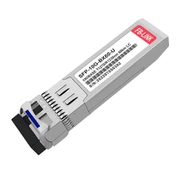
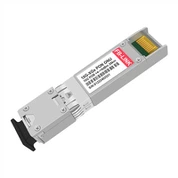
10G BIDI SFP+ 80KM
10G SFP+ BIDI 80KM is a pair of 10Gbps SFP+ BiDi transceivers, transmitted through single-mode optical fiber, with a distance of up to 80km.

- Product Introduction
Products Description
10G SFP+ BIDI 80km

Rate 10Gb/s
LC Interface
Distance 80km
DDM Support
Low power consumptio
Products Description
| Form Factor | SFP+ BiDi | Digital Diagnostic Monitoring | Yes |
| Wavelength | 1490nm-TX/1550nm-RX | Max Distance | 80 km |
| Data Rate | 10Gb/s | Fiber Type | SMF |
| TX Power | +2.0~+6.0dBm | Receiver Sensitivity | <-24.0dBm |
Quality control

Compatible

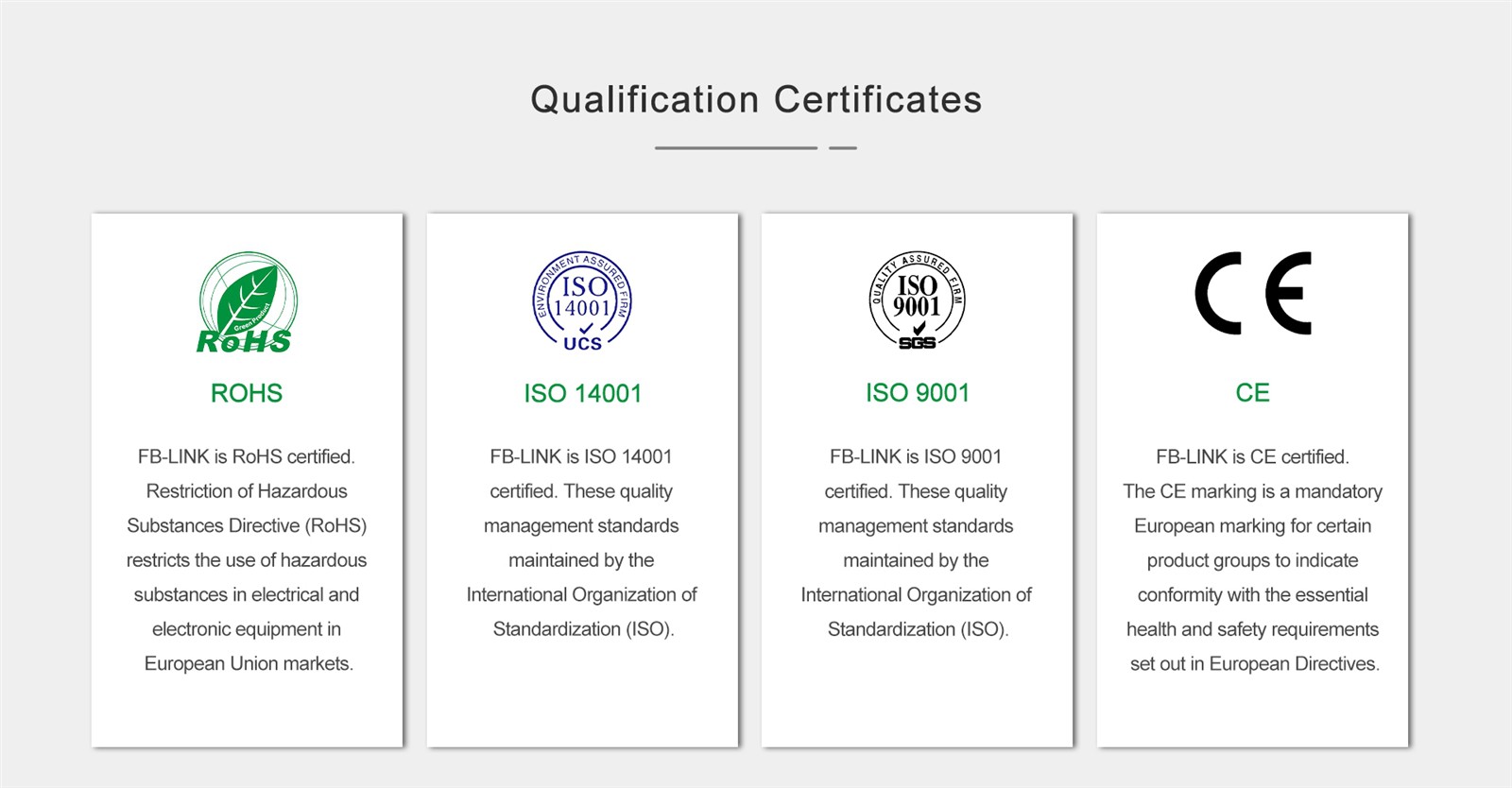
Certificate


Unlocking High-Speed Connectivity: The Ultimate Guide to Optical Transceivers for Long-Distance Networks
The evolution of network infrastructure has created unprecedented demands for faster, more reliable data transmission. Optical transceivers have emerged as the backbone technology enabling enterprises to achieve seamless connectivity across vast distances while maintaining exceptional performance standards.
Understanding Modern Optical Transceivers Technology
Optical transceivers serve as the critical interface between electrical and optical signals in fiber optic networks. These sophisticated devices convert electrical data into light pulses for transmission and reverse the process at the receiving end, enabling high-speed communication across fiber optic cables.
The SFP+ BiDi (bidirectional) technology represents a significant advancement in optical transceivers design. Unlike traditional transceivers requiring two fibers for communication, BiDi modules utilize a single fiber strand by transmitting and receiving on different wavelengths simultaneously. This innovative approach reduces infrastructure costs and simplifies cable management in data centers and telecommunications networks.
Performance Capabilities That Define Excellence
Modern optical transceivers deliver exceptional performance metrics that meet the demanding requirements of contemporary networks. Operating at ten gigabits per second, these devices provide the bandwidth necessary for handling intensive applications including cloud computing, video streaming, and enterprise data transfers.
The single-mode fiber compatibility ensures minimal signal degradation over extended distances. With transmission capabilities reaching eighty kilometers, these optical transceivers eliminate the need for signal regeneration in metropolitan area networks and long-haul applications. The dual-wavelength operation at 1490 nanometers for transmission and 1550 nanometers for reception optimizes signal clarity and reduces crosstalk interference.
Digital Diagnostic Monitoring: Proactive Network Management
Advanced optical transceivers incorporate digital diagnostic monitoring functionality, providing real-time visibility into transceiver health and performance. This intelligent feature enables network administrators to monitor critical parameters including temperature, voltage, laser bias current, transmitted optical power, and received optical power.
The proactive monitoring capabilities transform network management from reactive troubleshooting to predictive maintenance. By analyzing performance trends, IT teams can identify potential issues before they impact service quality, reducing downtime and optimizing network reliability.
Power Specifications and Signal Integrity
The optical power characteristics of optical transceivers directly impact transmission quality and distance capabilities. With transmit power ranging from positive two to positive six decibel-milliwatts, these modules deliver sufficient signal strength for long-distance transmission while maintaining compliance with optical safety standards.
The receiver sensitivity threshold of less than negative twenty-four decibel-milliwatts ensures reliable signal detection even after substantial fiber attenuation. This robust sensitivity margin provides network resilience against environmental factors and aging infrastructure, extending the operational lifespan of fiber installations.
Application Scenarios for Maximum Impact
Optical transceivers with extended reach capabilities serve diverse deployment scenarios. Telecommunications providers utilize these modules for connecting central offices to remote distribution points, enabling high-speed services across metropolitan regions. Enterprise networks leverage the technology for inter-building connectivity within campus environments or connecting geographically dispersed facilities.
Data center operators benefit from deploying these optical transceivers for disaster recovery links and backup connections between primary and secondary facilities. The combination of high bandwidth and extended distance support ensures business continuity without compromising data transfer speeds.
Installation Best Practices
Successful deployment of optical transceivers requires attention to several critical factors. Fiber cleanliness stands paramount-even microscopic contamination can significantly degrade performance. Always inspect and clean fiber connector end-faces before installation using appropriate cleaning tools and procedures.
Verify compatibility between optical transceivers and network equipment before deployment. While most modules adhere to industry standards, confirming compatibility prevents connectivity issues and ensures optimal performance. Additionally, maintain proper handling procedures to avoid electrostatic discharge damage to sensitive electronic components.
Future-Proofing Network Infrastructure
Investing in high-performance optical transceivers represents a strategic approach to network infrastructure development. The scalability of fiber optic technology means today's installations can support future bandwidth upgrades through transceiver replacements rather than complete infrastructure overhauls.
The industry continues advancing optical transceivers technology, with developments in coherent optics, higher data rates, and increased power efficiency. However, current-generation modules provide a solid foundation for networks requiring reliable, high-speed connectivity with room for future expansion.
Frequently Asked Questions About Optical Transceivers
What is the main advantage of BiDi optical transceivers over traditional models?
BiDi optical transceivers transmit and receive data on a single fiber using different wavelengths, reducing fiber infrastructure requirements by half compared to traditional dual-fiber transceivers. This results in lower installation costs, simplified cable management, and more efficient use of existing fiber resources, particularly valuable in congested data center environments.
How does digital diagnostic monitoring improve network reliability?
Digital diagnostic monitoring in optical transceivers provides continuous real-time data about module performance parameters. This allows network administrators to identify degrading components before failure occurs, schedule maintenance during planned windows, and quickly diagnose problems when issues arise, ultimately reducing network downtime and improving overall service quality.
What distance limitations should I consider when deploying optical transceivers?
Optical transceivers designed for long-reach applications can typically support distances up to eighty kilometers over single-mode fiber without signal regeneration. However, actual achievable distance depends on factors including fiber quality, number of connectors and splices, environmental conditions, and required bit error rate. Always include margin for future degradation when planning installations.
Are optical transceivers hot-swappable in network equipment?
Yes, SFP+ format optical transceivers are designed for hot-swappable operation, meaning they can be installed or removed while network equipment remains powered on. This feature enables network upgrades and maintenance without service interruption. However, always follow manufacturer guidelines and handle modules by their designated pull-tab or bail clasp to prevent damage.
How do I ensure compatibility between optical transceivers and my network switches?
Optical transceivers should be verified for compatibility with your specific network equipment model. Check manufacturer compatibility lists, verify that operating wavelengths and data rates match your requirements, and ensure the transceiver meets any vendor-specific requirements such as coding or digital diagnostics protocols. When in doubt, consult with your equipment vendor or a qualified network professional.
What maintenance do optical transceivers require?
Optical transceivers require minimal maintenance but benefit from periodic inspection. Monitor digital diagnostic values for trends indicating degradation, keep fiber connections clean and properly secured, ensure adequate ventilation around transceivers to prevent overheating, and maintain documentation of installation dates and performance baselines for lifecycle management purposes.
Hot Tags: Optical Transceivers
You Might Also Like