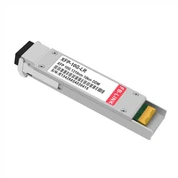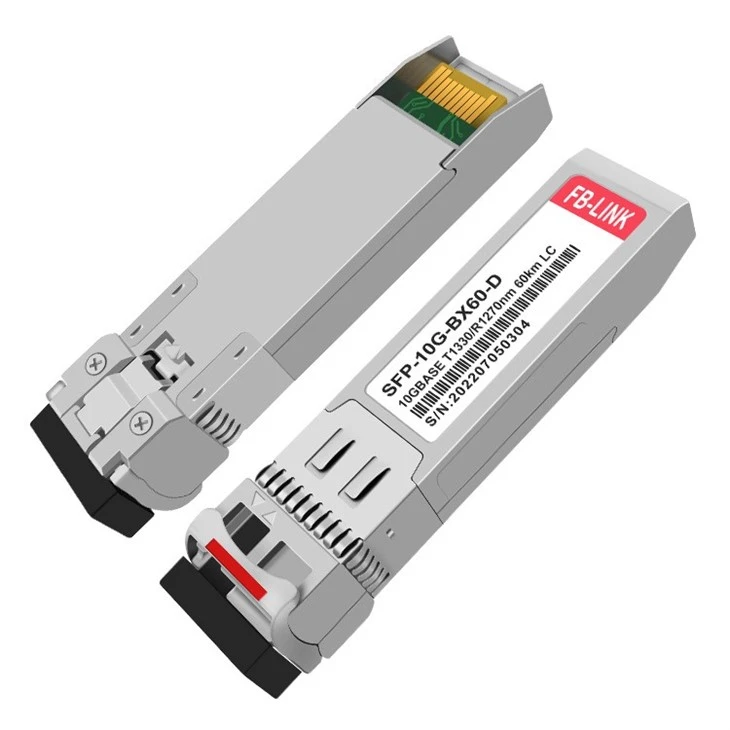
10G BIDI SFP+ 60KM
10G SFP+ BIDI 60KM is a pair of 10Gbps SFP+ BiDi transceivers, transmitted through single-mode optical fiber, with a distance of up to 60km.

- Product Introduction
Product Features
1.Support 10Gb/s rate
2 hot-swappable SFP sizes
3.1330nm DFB laser and APD photodiode.
4. Suitable for single-mode optical fiber transmission, the longest distance can reach 60 kilometers.
5. Complies with SFP+ MSA and SFF-8472 standards, with LC connector
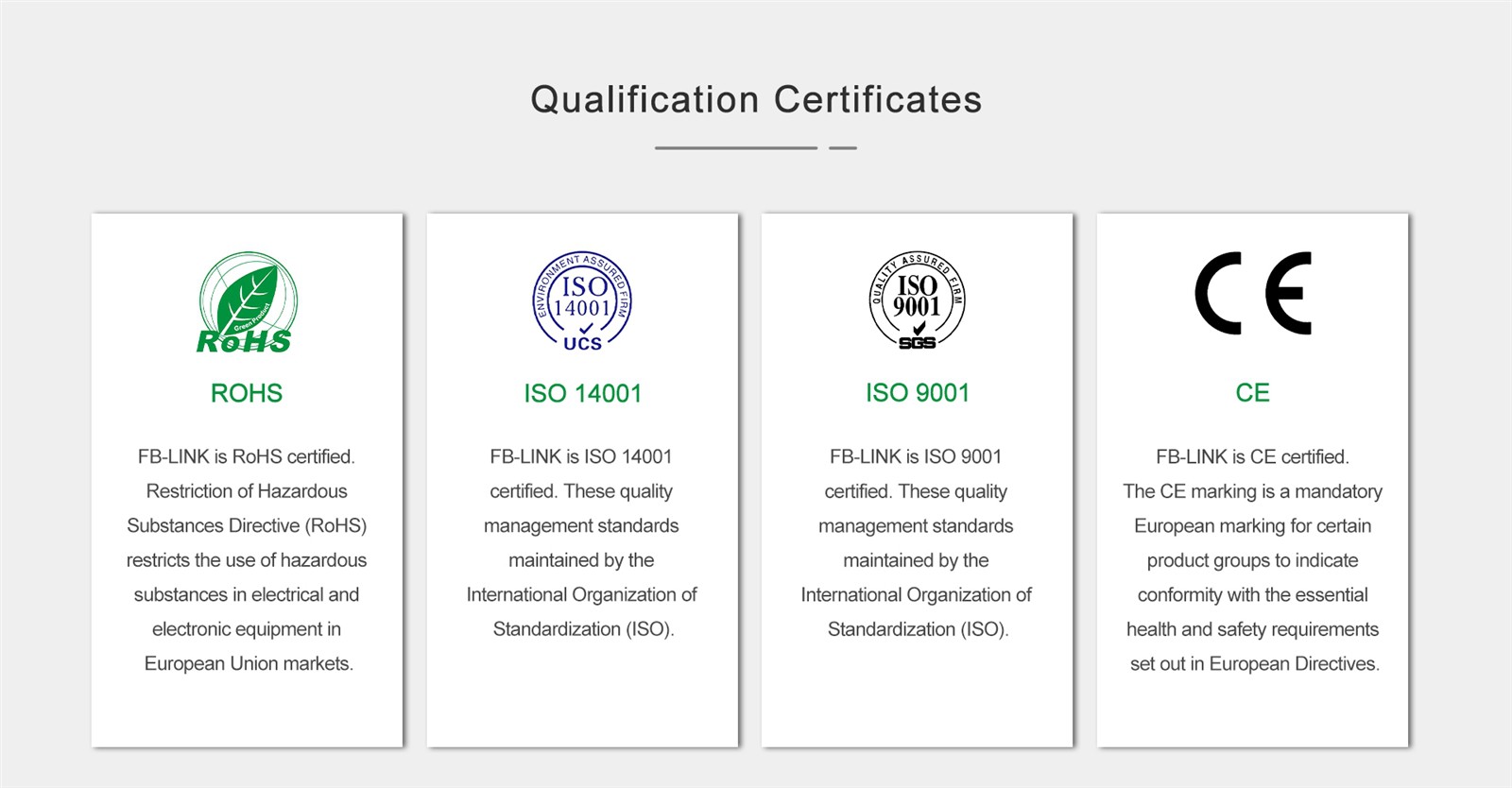
6. Comply with RoHS standards
7. Real-time digital diagnostic monitoring
8. Working environment temperature range: standard: 0~ +70 °C, industrial: -40~+85C
Specification
| Form Factor | SFP+ BiDi | Digital Diagnostic Monitoring | Yes |
| Wavelength | 1270nm-TX/1330nm-RX | Max Distance | 60 km |
| Data Rate | 10Gb/s | Fiber Type | SMF |
| TX Power | 1.0~5.0dBm | Receiver Sensitivity | <-20.0dBm |
Compatible

Certificate


Understanding High-Performance Optical Transceivers for Long-Distance Network Connectivity
Modern data centers and telecommunications networks demand reliable, high-speed connectivity solutions that can bridge substantial distances without signal degradation. Optical transceivers have emerged as the backbone technology enabling this critical infrastructure, with advanced modules now capable of transmitting data across dozens of kilometers while maintaining exceptional performance standards.
The Evolution of Optical Transceivers in Network Infrastructure
Optical transceivers serve as the essential interface between electrical signals in network equipment and optical signals traveling through fiber optic cables. These compact yet powerful devices have revolutionized how businesses approach network design, particularly when connecting geographically dispersed facilities or extending metropolitan area networks.
The latest generation of optical transceivers leverages bidirectional (BiDi) technology, allowing simultaneous transmission and reception over a single fiber strand. This innovation significantly reduces fiber infrastructure costs while maintaining the high-performance characteristics required for demanding applications.
Key Technologies Driving Modern Optical Transceivers
Wavelength Division Multiplexing
Advanced optical transceivers utilize sophisticated wavelength separation techniques, employing different light frequencies for transmit and receive functions. By operating on distinct wavelengths-such as 1270nm for transmission and 1330nm for reception-these modules eliminate signal interference while maximizing fiber utilization efficiency.
Precision Laser and Photodiode Components
High-quality optical transceivers incorporate Distributed Feedback (DFB) lasers that deliver consistent, stable light output across varying environmental conditions. Paired with Avalanche Photodiode (APD) receivers, these components ensure exceptional signal clarity even after traversing extended fiber spans reaching 60 kilometers or more.
Performance Characteristics That Define Quality Optical Transceivers
When evaluating optical transceivers for enterprise or carrier-grade deployments, several critical specifications determine overall system performance:
Data Throughput Capabilities
Modern optical transceivers support transmission rates of 10 gigabits per second, providing ample bandwidth for video streaming, cloud applications, storage replication, and other bandwidth-intensive workloads. This capacity ensures networks remain responsive even under peak demand conditions.
Transmission Distance and Link Budget
Single-mode fiber-compatible optical transceivers excel at long-distance applications, with some modules achieving reliable connectivity across 60-kilometer spans. The optical power budget-calculated from transmit power output and receiver sensitivity thresholds-determines the maximum viable distance for any given installation.
Hot-Swap Functionality
Enterprise-grade optical transceivers feature hot-swappable designs that allow field technicians to replace modules without disrupting adjacent ports or requiring system downtime. This capability proves invaluable for maintaining network availability during upgrades or troubleshooting procedures.
Standards Compliance and Interoperability
Reliable optical transceivers adhere to industry-standard specifications that ensure broad compatibility across multi-vendor environments. SFP+ Multi-Source Agreement (MSA) compliance guarantees physical and electrical compatibility with host equipment from numerous manufacturers, while SFF-8472 support enables comprehensive digital diagnostics and monitoring capabilities.
Environmental compliance extends to RoHS certification, confirming that optical transceivers meet strict regulations regarding hazardous substances. This certification has become essential for organizations with corporate sustainability mandates or those operating in regions with stringent environmental requirements.
Digital Diagnostics and Network Management
Modern optical transceivers incorporate real-time digital diagnostic monitoring, providing network administrators with visibility into critical operational parameters. This functionality enables proactive maintenance strategies by tracking:
Optical transmit and receive power levels
Laser bias current
Module temperature
Supply voltage variations
By monitoring these parameters, IT teams can identify degrading components before they cause service disruptions, significantly reducing mean time to repair and improving overall network reliability.
Deployment Environments and Temperature Ranges
Optical transceivers are manufactured for diverse operating environments, with standard commercial-grade modules functioning reliably in controlled environments from 0 to 70 degrees Celsius. For installations in harsh conditions-such as outdoor cabinets, industrial facilities, or extreme climate regions-industrial-rated optical transceivers extend the operational temperature range from -40 to +85 degrees Celsius.
Application Scenarios for High-Performance Optical Transceivers
Metropolitan Area Networks
Service providers deploy optical transceivers to create extensive metropolitan fiber rings, connecting central offices, data centers, and customer premise equipment across urban areas. The 60-kilometer reach capability enables comprehensive city-wide coverage without intermediate amplification.
Campus Connectivity
Large university campuses, corporate parks, and medical complexes utilize optical transceivers to interconnect buildings with high-bandwidth, low-latency links. The combination of speed and distance supports unified network architectures that simplify management while reducing costs.
Data Center Interconnection
Organizations maintaining multiple data center facilities rely on optical transceivers for disaster recovery replication, workload distribution, and resource pooling across sites. The bidirectional single-fiber design minimizes fiber infrastructure requirements while delivering the throughput necessary for storage and compute synchronization.
Telecommunications Infrastructure
Carrier networks incorporate optical transceivers at cell tower backhaul points, fiber aggregation nodes, and service demarcation locations. The robust environmental specifications ensure reliable operation in outdoor and environmentally challenging deployments.
Installation Best Practices
Proper deployment of optical transceivers requires attention to fiber cleanliness, connector inspection, and environmental controls. Network engineers should verify that LC connectors are free from contamination, fiber bend radius specifications are observed, and adequate airflow surrounds the host equipment to maintain optimal operating temperatures.
Frequently Asked Questions About Optical Transceivers
What is the difference between single-mode and multimode optical transceivers?
Single-mode optical transceivers utilize laser light sources and narrow-core fiber to achieve long-distance transmission, often exceeding 10 kilometers. Multimode optical transceivers use LED or VCSEL light sources with wider-core fiber, optimized for shorter distances typically under 550 meters. The choice depends on required distance, budget constraints, and existing fiber infrastructure.
Can I mix optical transceivers from different manufacturers in the same network?
Yes, provided all modules comply with relevant MSA standards and operate at compatible wavelengths. However, BiDi optical transceivers require proper wavelength pairing-a module transmitting at 1270nm must connect to one receiving at 1270nm (and vice versa for the opposite direction). Always verify specifications before deployment to ensure compatibility.
How do I interpret digital diagnostic information from optical transceivers?
Digital diagnostics provide real-time measurements accessible through network management systems. Key parameters include optical power (measured in dBm), which should remain within the module's specified range. Temperature readings help identify cooling issues, while voltage and bias current values indicate power supply health. Most management platforms provide alerts when values exceed normal operating thresholds.
What causes optical transceivers to fail, and how can I prevent it?
Common failure modes include contaminated fiber connectors, excessive operating temperatures, power supply irregularities, and laser degradation over time. Preventive measures include regular connector cleaning, ensuring adequate equipment ventilation, using quality power sources, and monitoring digital diagnostics for early warning signs. Most optical transceivers have a mean time between failure (MTBF) exceeding 500,000 hours when operated within specifications.
Are optical transceivers affected by electromagnetic interference?
The fiber optic portion of optical transceivers is immune to electromagnetic interference, making them ideal for electrically noisy environments like manufacturing facilities or power substations. However, the electrical interface within the host equipment remains susceptible to EMI, so proper grounding and shielding of network equipment is still important for overall system reliability.
How do I calculate the link budget for my optical transceiver deployment?
Link budget calculation involves subtracting total system losses from the available optical power. Start with the transmitter's minimum output power, subtract fiber attenuation (typically 0.3-0.5 dB/km for single-mode fiber), connector losses (0.3-0.5 dB each), splice losses, and any safety margin (typically 3 dB). The result must exceed the receiver's sensitivity specification. For a 60-kilometer link, proper budget calculation ensures reliable operation with environmental and component aging considerations.
Can optical transceivers be used in existing fiber infrastructure?
In most cases, yes. Optical transceivers designed for single-mode fiber work with standard SMF-28 fiber commonly installed in telecommunications and enterprise networks. BiDi transceivers offer particular advantages when upgrading existing networks because they require only one fiber strand per link, effectively doubling capacity of existing fiber pairs. Always verify that fiber type, connector interfaces, and distance requirements align with the transceiver specifications.
Hot Tags: 10g bidi sfp+ 60km, China 10g bidi sfp+ 60km suppliers, manufacturers, factory
You Might Also Like