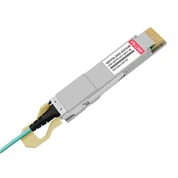
25G BIDI 40KM
25G BIDI 40KM is suitable for 25 Gb Ethernet long-distance applications. 25G BIDI 40KM is divided into 1270nm and 1310nm, which can transmit up to 40km through single-mode optical fiber.It has low power consumption, operates on a 3.3V DC power supply, and has an industrial grade operating temperature range. They are compliant with the SFP28 MSA, SFF-8431 and SFF-8432 standards.

- Product Introduction
Products Description
● Hot-pluggable SFP28 form factor
● Supports 9.83/10.13/10.31/24.33/25.78Gb/s bit rate
● Power dissipation <1.2W
● Industrial case temperature range of -40°C to 85°C
● Single 3.3V power supply
● Maximum link length of 10km on Single Mode Fiber (SMF)
● Aligned with IEEE 802.3cc
● 25G DFB transmitter and 25G PIN receiver
● Simplex LC receptacles
● I2C management interface
● RoHS compliant
Compatible
Products Description
| Part Number | SFP28-25G-BX40-U | Distance | 40KM |
| Product type | SFP28 | TX Power | 0~6dBm |
| Rate | 25Gb/s | Receiver Sensitivity | <-19.0dBm |
| Connector | Simplex LC | DDM | Supported |
| Wavelength | TX1270/RX1330nm | Temperature Range | 0~70℃ |
Precision Quality
Raw materials and components such as optics, chips, housings and precision microstructures are sourced from major manufacturers and produced to exacting standards to ensure stable and high-speed transmission of optical modules.
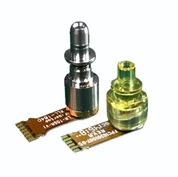
01
Optical Device

02
Chip

03
Shell

04
Gold Finger
Advantage

Price advantage
Factory direct sales, reducing transfer costs and maximizing customer benefits
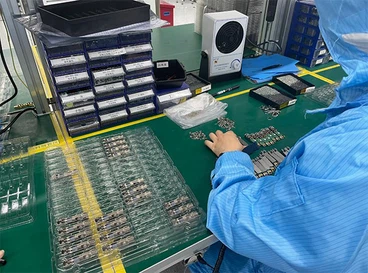
Quality Assurance
Products will undergo multiple process inspections before leaving the factory.

Widely compatible
Widely compatible with switches of various brands

Professional technical support
Continuously introduce new equipment, timely update and solve customer problemstics
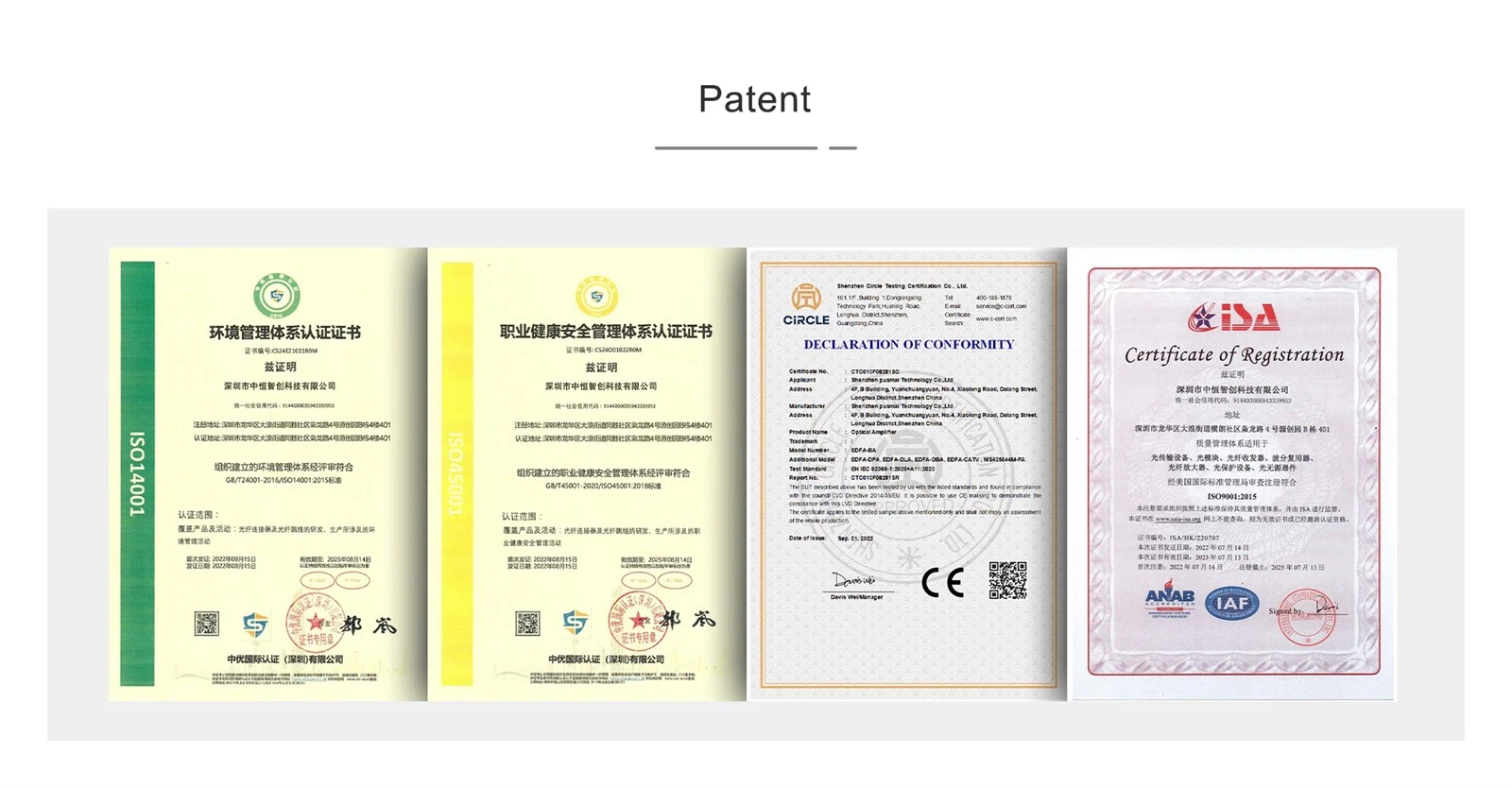
Certificate


The evolution of data center connectivity has driven unprecedented demand for advanced optical transceivers capable of delivering reliable, high-speed data transmission across extended distances. As network architectures become increasingly complex, selecting the right optical transceivers has become critical for maintaining optimal performance and scalability.
The Next Generation of Optical Transceivers
Modern optical transceivers represent a significant leap forward in networking technology, combining superior performance with energy efficiency. The latest bidirectional (BiDi) optical transceivers utilize wavelength division multiplexing to transmit and receive data simultaneously over a single fiber strand, dramatically reducing infrastructure costs while maintaining exceptional signal integrity.
These advanced optical transceivers leverage cutting-edge distributed feedback (DFB) laser technology paired with high-sensitivity PIN photodetector receivers. This combination enables remarkable transmission distances while maintaining the compact, hot-swappable form factors that network administrators require for seamless deployment and maintenance.
Key Advantages of Enterprise-Grade Optical Transceivers
Extended Reach Capabilities
Professional-grade optical transceivers now support transmission distances up to 40 kilometers over single-mode fiber, making them ideal for metropolitan area networks, campus connectivity, and data center interconnection scenarios. This extended reach eliminates the need for signal regeneration equipment in many applications, significantly reducing total cost of ownership.
Energy Efficiency and Thermal Management
With power consumption optimized to remain below 1.2 watts, modern optical transceivers address growing concerns about data center energy costs and thermal management. The industrial-grade design ensures reliable operation across extreme temperature ranges, from sub-zero conditions to high-heat environments.
Simplified Infrastructure
Simplex connectivity reduces fiber requirements by 50% compared to traditional duplex optical transceivers. This bidirectional approach not only lowers material costs but also simplifies cable management in high-density installations where rack space and cable routing pathways are at a premium.
Technical Innovation in Optical Transceivers
The integration of advanced digital diagnostic monitoring (DDM) capabilities in contemporary optical transceivers provides real-time visibility into critical operating parameters. Network administrators can monitor optical power levels, temperature, voltage, and other vital metrics through standard I2C management interfaces, enabling proactive maintenance and rapid troubleshooting.
Compliance with IEEE 802.3cc standards ensures seamless interoperability across multi-vendor environments. These optical transceivers are engineered to meet stringent environmental regulations, including RoHS compliance, making them suitable for deployment in markets with strict environmental requirements.
Application Scenarios for High-Speed Optical Transceivers
Data Center Interconnection
Optical transceivers supporting 25 Gigabit Ethernet provide the bandwidth necessary for modern data center fabrics, enabling efficient east-west traffic flow and supporting demanding applications like real-time analytics, artificial intelligence workloads, and high-frequency trading platforms.
Enterprise Campus Networks
Building-to-building connectivity within corporate campuses benefits tremendously from long-reach optical transceivers. The ability to span distances up to 40 kilometers without repeaters simplifies network design and reduces points of failure.
Service Provider Infrastructure
Telecommunications providers leverage these optical transceivers for mobile backhaul, metro Ethernet services, and 5G fronthaul applications where cost-effective, high-bandwidth connectivity is essential.
Deployment Considerations for Optical Transceivers
When implementing optical transceivers in your network infrastructure, several factors warrant careful consideration. Power budget calculations must account for fiber loss, connector insertion loss, and splice loss to ensure adequate optical margin. The hot-swappable nature of modern optical transceivers facilitates non-disruptive upgrades and replacements, but proper ESD protection procedures remain essential during installation.
Wavelength compatibility is particularly critical when deploying bidirectional optical transceivers. Matching transmit and receive wavelengths between connected devices (such as 1270nm TX/1330nm RX on one end and 1330nm TX/1270nm RX on the opposite end) is mandatory for proper operation.
Frequently Asked Questions About Optical Transceivers
Q: What is the difference between SFP and SFP28 optical transceivers?
A: SFP28 optical transceivers support data rates up to 25Gbps, while traditional SFP modules are limited to 1Gbps. The "28" designation refers to the approximate 28Gbps signaling rate including encoding overhead. Despite the higher speed, SFP28 optical transceivers maintain the same compact form factor, enabling seamless upgrades in existing infrastructure.
Q: How do bidirectional optical transceivers reduce costs?
A: BiDi optical transceivers transmit and receive on different wavelengths over a single fiber strand, cutting fiber requirements in half compared to duplex configurations. This reduces fiber cable costs, simplifies installation, and conserves valuable conduit space-particularly beneficial in retrofit scenarios where adding fiber is expensive or impractical.
Q: Can optical transceivers operate in harsh environmental conditions?
A: Industrial-grade optical transceivers are specifically designed for extended temperature ranges, typically from -40°C to 85°C. These ruggedized versions are ideal for outdoor installations, industrial environments, and telecommunications infrastructure where ambient conditions may be extreme.
Q: What is DDM/DOM in optical transceivers, and why is it important?
A: Digital Diagnostic Monitoring (DDM), also called Digital Optical Monitoring (DOM), provides real-time telemetry from optical transceivers. This includes transmit/receive power levels, temperature, voltage, and laser bias current. These diagnostics enable proactive network management, helping administrators identify degrading components before failures occur.
Q: How do I determine compatibility between optical transceivers and network switches?
A: Verify that the optical transceivers match your switch's supported data rates, form factor, and reach requirements. Check the manufacturer's compatibility matrix for your specific switch model. Additionally, ensure that any management features (DDM/DOM) are supported by both the transceiver and the host device for full functionality.
Q: What's the maximum distance for 25G optical transceivers over single-mode fiber?
A: Distance capabilities vary based on the specific optical transceivers design. Standard 25G modules typically support 10km, while extended-reach versions can achieve 40km or more over single-mode fiber. Always verify power budget calculations to ensure adequate optical margin for your specific fiber plant characteristics.
Q: Are optical transceivers interoperable between different equipment vendors?
A: Standards-compliant optical transceivers following IEEE specifications (such as 802.3cc for 25GBASE-ER) should interoperate across vendors. However, some manufacturers implement proprietary coding or digital diagnostics that may limit functionality when mixed. Using MSA (Multi-Source Agreement) compliant optical transceivers maximizes compatibility.
Q: How does power consumption of optical transceivers impact data center operations?
A: With thousands of ports in modern data centers, optical transceivers power consumption directly affects operational costs and cooling requirements. Modules consuming less than 1.2W significantly reduce overall power draw compared to higher-consumption alternatives, lowering electricity costs and enabling higher-density deployments without exceeding cooling capacity.
Hot Tags: Optical Transceivers