
400G DCI
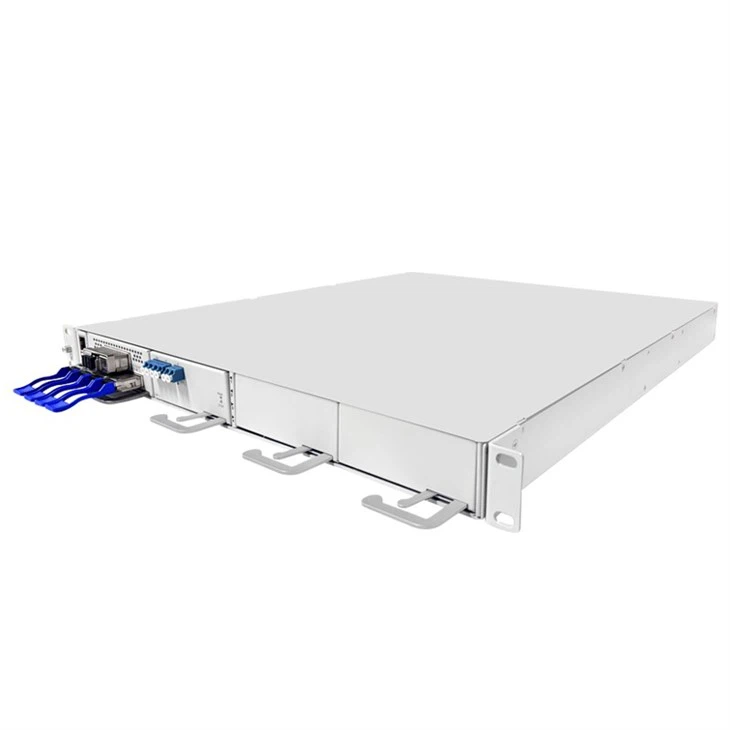
Products Description FB-LINK provides a leading set of DCI, metro and long-haul CWDM/DWDM and OTN solutions for transporting 100G/200G data, storage, voice and video applications over dark fiber and WDM networks. The solution supports any rate combination, such as 10/40/100Gb Ethernet and...

- Product Introduction
| Technical indicators | Describe |
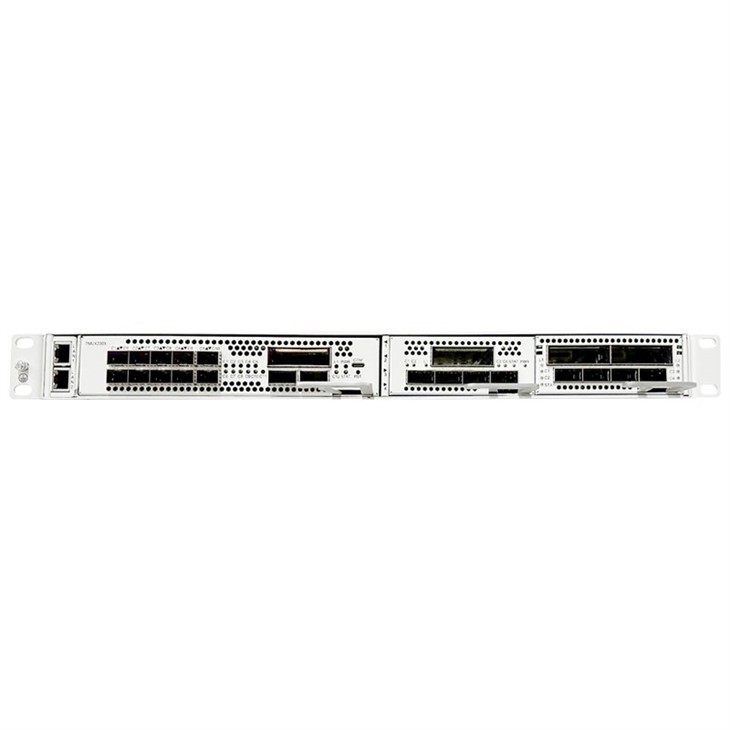
| Client-side interface | Each service channel has 4 pluggable QSFP28 100G client ports, and the entire machine has a maximum of 16 100G ports. |
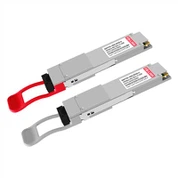
| System side interface | 2 pluggable 100G CFP2 DCO coherent color optical modules per service slot, maximum 8 200G line ports in the whole machine |
| System-side signaling and multiplexing structures | 200G : OCh <-> OTUC2 <-> ODUC2 <-> ODU4 |
| Client-side signaling and mapping methods | 100G <-> ODU4 |
| Line-side modulation format | 200G:16QAM; 200G:QPSK |
| FEC mode | 200G: SD-FEC |
Monitor Your Network by WEB Management
You can easily check important data, alarms, reports, and much more through WEB management anytime on-site or remotely.

Next-Generation DCI Solutions: Revolutionizing Data Center Connectivity for Modern Networks
The explosive growth of cloud computing, 5G networks, and distributed applications has transformed how enterprises approach data center interconnect (DCI) infrastructure. As organizations struggle to maintain seamless connectivity between geographically dispersed data centers, the demand for high-capacity, low-latency DCI technology has never been more critical.
Understanding Modern DCI Architecture
Data center interconnect solutions serve as the backbone of today's digital infrastructure, enabling organizations to extend their networks across multiple locations while maintaining optimal performance. Modern DCI platforms leverage advanced coherent optical technology to deliver unprecedented bandwidth density, allowing businesses to transmit massive amounts of data between facilities with minimal signal degradation.
The evolution of DCI technology has shifted from traditional gray optics to sophisticated coherent transmission systems. These next-generation platforms utilize digital coherent optics (DCO) to maximize spectral efficiency, enabling service providers and enterprises to scale their inter-data center connectivity without proportionally increasing infrastructure costs.
High-Density Connectivity for Demanding Workloads
Contemporary DCI solutions must support diverse connectivity requirements across client and line-side interfaces. Leading platforms now offer extensive client-side capacity through multiple high-speed ports, providing flexibility for various network topologies. This architecture allows organizations to aggregate traffic from numerous sources before transmitting across long-haul DCI links.
The client interface design in advanced DCI systems typically supports industry-standard form factors, ensuring compatibility with existing network infrastructure. By offering multiple 100-gigabit client connections per service channel, these solutions accommodate growing bandwidth demands while maintaining investment protection through backward compatibility.
Coherent Optical Technology in DCI Applications
The line-side architecture of modern DCI platforms represents a quantum leap in optical transmission capabilities. By implementing coherent detection with advanced modulation schemes, these systems achieve remarkable reach and capacity combinations. The use of integrated coherent optics reduces power consumption and footprint requirements compared to traditional discrete approaches.
Advanced DCI solutions employ adaptive modulation techniques, automatically adjusting signal characteristics based on link conditions. This flexibility allows network operators to optimize the balance between capacity and reach, selecting appropriate modulation formats for each specific deployment scenario. Higher-order modulation delivers maximum throughput over shorter distances, while more conservative formats extend transmission reach.
Maximizing Spectral Efficiency
Spectral efficiency stands as a critical metric in DCI network design, directly impacting the number of wavelengths required and overall network economics. Modern platforms achieve superior spectral efficiency through sophisticated forward error correction (FEC) mechanisms combined with advanced modulation techniques.
The implementation of soft-decision FEC in DCI systems provides substantial coding gain, enabling transmission over extended distances without regeneration. This technology proves especially valuable in metro and regional DCI applications where minimizing network complexity translates directly to reduced operational expenses.
Flexible Network Architectures
Today's DCI requirements demand unprecedented flexibility in network design. Modern platforms support various operational modes, allowing operators to configure systems based on specific application needs. The ability to seamlessly switch between different capacity configurations enables efficient resource utilization across diverse traffic patterns.
The mapping and multiplexing capabilities of advanced DCI solutions provide granular control over bandwidth allocation. By supporting standard industry protocols and signaling hierarchies, these platforms integrate smoothly into existing transport networks while providing migration paths to future technologies.
Economic Benefits of Next-Generation DCI
Organizations implementing modern DCI technology realize significant economic advantages through improved power efficiency, reduced footprint, and simplified operations. The integration of coherent optics directly into pluggable modules eliminates the need for separate transponder equipment, dramatically reducing both capital and operational expenditures.
Furthermore, the high port density achieved by contemporary DCI platforms maximizes rack space utilization, a critical consideration in space-constrained data center environments. This density advantage becomes increasingly valuable as bandwidth demands continue escalating across enterprise and service provider networks.
DCI Security and Reliability Considerations
Security and reliability form essential pillars of any DCI strategy. Modern platforms incorporate multiple layers of protection, from physical layer encryption options to robust FEC mechanisms that ensure data integrity across optical links. The redundancy built into advanced DCI architectures provides automatic protection switching, maintaining service continuity even during component failures.
Network operators also benefit from comprehensive management capabilities that enable proactive monitoring and rapid troubleshooting. These features reduce mean time to repair (MTTR) while improving overall network availability-critical factors for mission-critical DCI applications.
Future-Proofing DCI Infrastructure
As bandwidth requirements continue their exponential growth trajectory, forward-thinking organizations must select DCI solutions capable of evolving with network demands. Platforms supporting multiple modulation formats and flexible capacity configurations provide the adaptability necessary to address both current and future requirements.
The roadmap for DCI technology points toward even higher capacity per wavelength, improved power efficiency, and enhanced automation capabilities. Organizations investing in modern DCI infrastructure position themselves to capitalize on these advancements without requiring complete network overhauls.
Frequently Asked Questions About DCI Solutions
What is DCI and why is it important for modern enterprises?
DCI (Data Center Interconnect) refers to the networking technology that connects multiple data centers, enabling them to share resources, workloads, and data. It's essential for modern enterprises because it supports cloud services, disaster recovery, workload mobility, and seamless user experiences across distributed infrastructure. As businesses increasingly rely on multi-site operations, robust DCI connectivity ensures business continuity and operational efficiency.
How does coherent optical technology improve DCI performance?
Coherent optical technology enhances DCI performance by enabling higher data rates over longer distances with superior spectral efficiency. Unlike traditional intensity-modulated systems, coherent optics encode information in both amplitude and phase of light, allowing for advanced modulation formats. This results in increased capacity per fiber, extended reach without regeneration, and better tolerance to transmission impairments-all critical factors for cost-effective DCI deployment.
What are the key differences between metro DCI and long-haul DCI?
Metro DCI typically covers distances up to 200 kilometers and prioritizes maximum capacity and low latency for inter-data center connectivity within metropolitan areas. Long-haul DCI extends beyond 200 kilometers and emphasizes reach and reliability, often using more conservative modulation formats to overcome distance-related signal degradation. Metro DCI applications frequently leverage higher-order modulation for maximum throughput, while long-haul deployments balance capacity against transmission distance requirements.
How do I determine the right DCI capacity for my organization?
Determining appropriate DCI capacity requires analyzing several factors: current traffic patterns between data centers, anticipated growth rates, application requirements (latency-sensitive vs. bandwidth-intensive), and redundancy needs. Organizations should conduct traffic studies to understand peak and average bandwidth utilization, then apply growth projections (typically 30-50% annual increases). It's advisable to deploy DCI infrastructure with at least 50% headroom above current requirements to accommodate unexpected demand spikes.
What role does FEC play in DCI network reliability?
Forward Error Correction (FEC) is crucial for DCI reliability, as it detects and corrects transmission errors without requiring retransmission. Advanced soft-decision FEC mechanisms provide significant coding gain, effectively extending transmission reach and improving bit error rates. This technology enables DCI systems to maintain service quality over longer distances and in the presence of optical impairments, directly contributing to higher network availability and reduced operational costs.
Can DCI solutions integrate with existing network infrastructure?
Yes, modern DCI platforms are designed for seamless integration with existing infrastructure through support for industry-standard interfaces, protocols, and management systems. They typically offer compatibility with various client-side equipment through standard form factors and support multiple transport protocols. This interoperability ensures that organizations can enhance their DCI capabilities without requiring complete network redesigns, protecting previous infrastructure investments while enabling incremental capacity expansion.
Hot Tags: DCI
You Might Also Like